
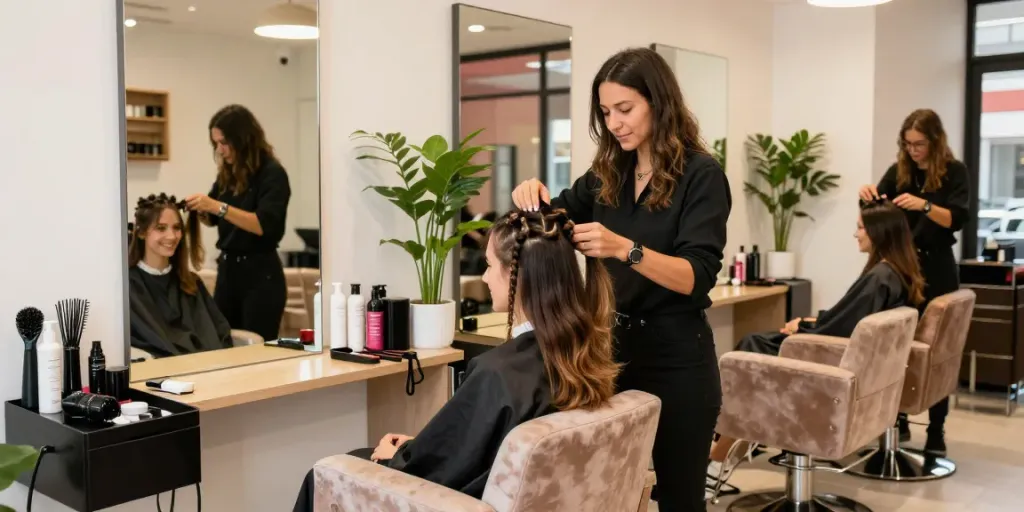
Understanding Salon Quality Sew In Weft Extensions
Sew in weft extensions have taken the beauty world by storm, offering a seamless way to enhance hair length and volume without compromising on quality. Among the various options available, salon quality sew in weft extensions stand out for their natural look and durability. In this article, we'll explore the essentials of sew in wefts, the benefits of choosing salon-quality options, and how to make the right selection for your hair type and style.
What Are Sew In Weft Extensions?
Sew in weft extensions are strands of hair that are sewn onto natural hair using a needle and thread technique. This method is preferred by many stylists for its ability to provide a secure hold that can last for several weeks, making it an ideal choice for those looking to make a long-term change to their hairstyle. They come in various materials, lengths, and textures, allowing users to tailor their look perfectly.
Benefits of Using Salon Quality Wefts
Choosing salon quality weft extensions comes with numerous advantages:
- Natural Appearance: Salon quality extensions are made from high-grade human hair, ensuring they blend seamlessly with your natural locks.
- Enhanced Durability: Quality wefts are designed to withstand daily wear and tear, unlike lower-quality alternatives that may tangle or break easily.
- Versatility: They can be styled, dyed, and treated just like natural hair, giving you more flexibility in how you choose to wear them.
- Comfort: High-quality wefts are usually lighter and more comfortable to wear, reducing the strain on your scalp.
Materials Used in Quality Wefts
The materials used in the production of salon quality sew in wefts are crucial for performance and longevity. Typically, these extensions are made from:
- 100% Remy Human Hair: This type of hair is considered the best due to its natural cuticle alignment, which minimizes tangling and maintains a healthy look.
- Virgin Hair: Unprocessed hair that hasn't undergone any chemical treatments; this quality offers the most natural look and feel.
- Synthetic Blends: While generally less desirable, some high-end blends can provide a natural appearance and are designed to be heat resistant.
Choosing the Right Sew In Weft for You
Factors to Consider in Selection
Selecting the right sew in weft extensions involves several key considerations:
- Hair Type: Evaluate your natural hair's texture and density to choose a weft that complements it.
- Application Method: Decide between machine-sewn and hand-tied options, depending on your preferences for comfort and styling flexibility.
- Budget: Salon quality extensions can vary significantly in price, so it's essential to find a balance between cost and quality.
Color and Texture Matching Tips
To achieve a seamless look, color and texture matching is vital. Here’s how to get it right:
- Choose Similar Shades: When selecting wefts, find a color that closely matches your natural hair. If needed, opt for balayage or ombre styles for a more blended approach.
- Testing Samples: Many suppliers offer sample swatches; testing these under natural light can help in making a more informed choice.
- Consulting a Professional: A hairstylist can provide valuable insights into what will work best with your existing hair.
Understanding Length and Volume
When choosing wefts, it's essential to consider both the length and volume you desire. Longer extensions may require more wefts to achieve the desired fullness, while shorter lengths might only need one or two bundles. Remember that thicker hair types may necessitate more volume to avoid a sparse appearance.
Application Techniques for Salon Quality Wefts
Step-by-Step Installation Process
The application of sew in wefts can be performed professionally or at home, though seeking a skilled stylist is often recommended for beginners. Here’s an outline of the typical installation process:
- Preparation: Start with clean, dry hair, and section it off to make the application easier.
- Braiding: Braid the natural hair into tight rows for added grip.
- Sewing the Wefts: Use a curved needle and weave the thread through the weft and the braid, securing it tightly.
- Styling: Once all wefts are installed, blend and style as desired.
Common Mistakes to Avoid
To ensure a successful application, be mindful of these common pitfalls:
- Over-tightening: Sewing wefts too tightly can lead to discomfort and hair damage.
- Neglecting Maintenance: Ensure proper care and regular maintenance appointments to keep the extensions looking fresh.
- Ignoring Your Hair Type: Using wefts not suited to your hair can lead to breakage and an unnatural appearance.
Post-Application Care and Maintenance
Once your extensions are in place, proper care is crucial for longevity:
- Gentle Washing: Use sulfate-free shampoos and conditioners to avoid drying out the extensions.
- Avoiding Heat Damage: Limit the use of hot tools, and always apply heat protectant products before styling.
- Regular Brushing: Use a wide-toothed comb to detangle, starting at the ends and working your way up to avoid damage.
Comparing Salon Quality Wefts to Other Types
Machine Sewn vs. Hand Tied Wefts
When comparing different types of wefts, the choice typically comes down to machine sewn versus hand tied:
- Machine Sewn Wefts: These are often more durable and quicker to install. They provide a thicker look but may feel heavier.
- Hand Tied Wefts: These are lighter and create a more natural blend. However, installation can be time-consuming and requires specific techniques.
Pros and Cons of Different Types
Understanding the benefits and drawbacks of various weft types can guide your decision:
- Machine Wefts:
- Hand Tied Wefts:
Customer Reviews and Feedback Analysis
Customer feedback can provide insights into the performance of various weft types. Many users favor high-quality salon extensions due to their longevity and natural appearance, while others may have experienced issues like tangling or shedding with lower-quality options. Always read reviews to gauge satisfaction before making a purchase.
Future Trends in Hair Extensions for 2026
Innovations in Hair Extension Materials
The hair extension industry is continuously evolving, with exciting innovations on the horizon, including:
- Eco-Friendly Options: A growing trend towards sustainable materials that minimize environmental impact.
- Advanced Technology: Development of new synthetic fibers that mimic human hair more accurately and are more durable.
Expected Styles and Popularity in Wefts
As we move into 2026, expect to see greater popularity in styles that incorporate natural waves and textures. The blending of color techniques, such as balayage and ombre, will likely remain prevalent, with a focus on personalized options that allow for individual expression.
How Technology is Changing Hair Extensions
Advancements in technology are reshaping the way extensions are produced and applied. Innovations such as heat fusion methods that bond wefts more securely and the introduction of smart hair extensions that can react to environmental changes are expected to emerge in the coming years.
What are the benefits of salon quality sew in weft?
Salon quality sew in wefts offer numerous benefits, including durability, the ability to style and dye them like natural hair, and a more natural appearance that enhances your overall look.
How do I care for my sew in weft extensions?
Care includes using sulfate-free products, avoiding excessive heat, and maintaining regular brushing and detangling routines to keep your extensions looking their best.
Can I dye my salon quality sew in weft extensions?
Most salon quality extensions can be dyed, but it is advisable to seek a professional to avoid damage and ensure the best results.
How often should I replace my sew in wefts?
Typically, sew in wefts should be replaced every 6 to 8 weeks, depending on your natural hair growth and the maintenance routine you follow.
What should I look for in a quality hair extension brand?
Choose brands that emphasize the use of high-quality materials, provide detailed product information, and have positive customer reviews to ensure you’re investing in durable and aesthetically pleasing extensions.