Understanding the 18000 BTU Mini Split System
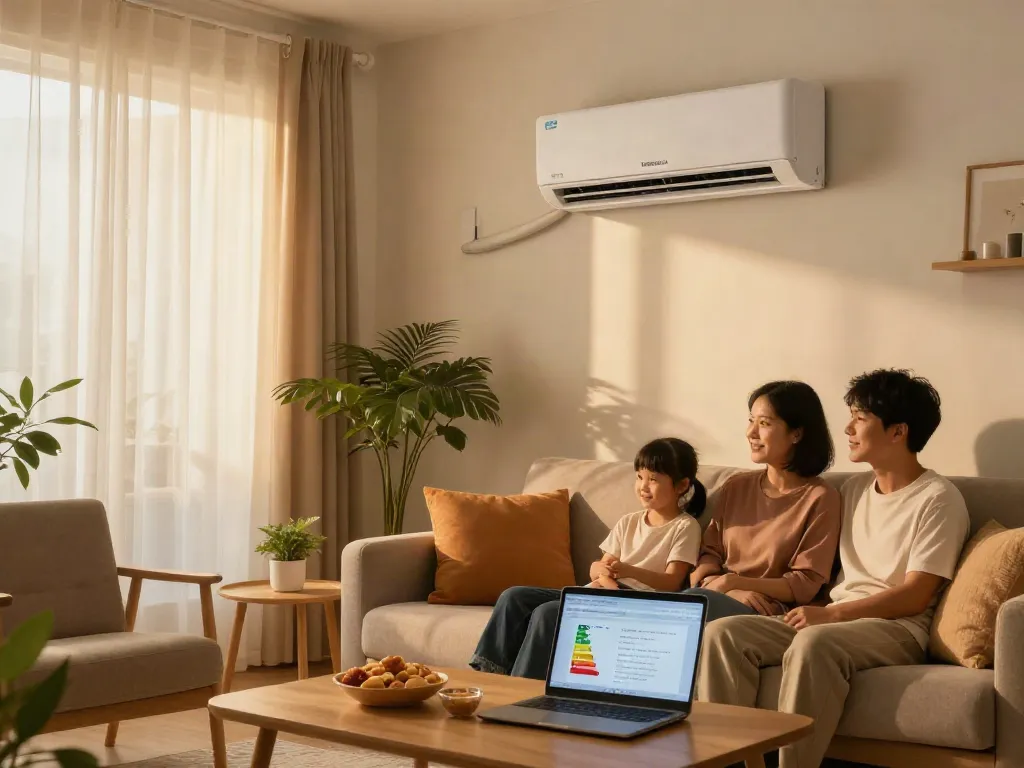
The 18000 btu mini split system is an excellent choice for homeowners seeking efficient climate control solutions. Mini split systems have gained popularity due to their ability to provide heating and cooling to various spaces without the extensive ductwork associated with traditional HVAC systems. The 18000 BTU capacity is particularly versatile, making it suitable for larger rooms, such as living rooms, master bedrooms, or even open-concept spaces. Understanding the functionality and advantages of these systems can help you make an informed decision for your heating and cooling needs.
What is a Mini Split System?
A mini split system consists of an outdoor compressor unit paired with one or more indoor air handling units. This configuration allows for efficient temperature regulation in individual rooms or zones without the need for ductwork. Typically, the units are connected via refrigerant lines, providing seamless operation while maximizing energy efficiency. Mini splits can be categorized into two primary types: ductless and ducted, with ductless systems being the most common for residential use.
How BTUs Affect Cooling Capacity
BTUs, or British Thermal Units, measure the amount of energy needed to cool or heat one pound of water by one degree Fahrenheit. In the context of air conditioning, BTU ratings indicate a unit’s cooling capacity. A mini split system rated at 18000 BTUs can effectively cool or heat spaces ranging from 550 to 1250 square feet, depending on various factors such as insulation, ceiling height, and climate. Understanding BTUs is crucial for ensuring that the system you choose can adequately manage your space's temperature needs.
Benefits of Choosing an 18000 BTU Mini Split
- Versatility: The 18000 BTU mini split system is designed to cater to larger rooms, providing ample cooling and heating capabilities.
- Energy Efficiency: These systems typically have higher SEER (Seasonal Energy Efficiency Ratio) ratings, resulting in reduced energy bills.
- Flexible Installation: Being ductless allows for easier installation in various configurations, making them a suitable choice for homes lacking existing ductwork.
- Quiet Operation: Mini split systems operate quietly, with noise levels often lower than traditional central air systems, ensuring a comfortable living environment.
- Zoning Capabilities: They allow for zoning, meaning you can cool or heat specific rooms according to individual preferences, promoting energy savings.
Key Features of the Costway 18000 BTU Mini Split
Energy Efficiency Ratings and Performance Metrics
The Costway 18000 BTU mini split unit boasts impressive energy efficiency ratings, often reaching a SEER of 19 or higher. This high rating translates to significant cost savings over time, making it an economically sound investment. Moreover, with inverter technology, the unit adjusts its cooling and heating output based on the indoor temperature, maintaining comfort while minimizing energy consumption.
Installation Process and Requirements
Installing a mini split system may seem daunting, but it is relatively straightforward for those familiar with basic plumbing and electrical work. The installation process typically involves the following steps:
- Choosing a suitable location for both the indoor and outdoor units.
- Mounting the indoor unit and securing it to the wall.
- Running refrigerant lines and electrical wiring between the indoor and outdoor units.
- Installing the outdoor unit, ensuring it is level and securely fastened.
- Connecting the refrigerant lines and electrical connections.
- Testing the system to ensure proper operation.
While many homeowners opt for professional installation, those with DIY skills may successfully complete the project without assistance.
Smart Technology and User Interface
Another notable feature of the Costway 18000 BTU mini split is its integration with smart technology. Many models come equipped with Wi-Fi connectivity, allowing users to control their systems remotely via a smartphone app. This innovative feature provides convenience and enhances energy efficiency by enabling users to adjust settings according to real-time needs. The user interface is typically intuitive, featuring easy-to-read displays and simple controls for adjusting temperature, fan speed, and mode settings.
Comparing Costway 18000 BTU Mini Split to Market Competitors
Performance Comparison: Costway vs Senville
When evaluating the Costway 18000 BTU mini split against competitors like Senville, several factors come into play. Both systems offer reliable performance, but the Costway model often edges out in terms of energy efficiency and price point. The Senville systems, while reputable, may come at a slightly higher cost without significantly enhanced features. Performance metrics like cooling power, noise level, and energy consumption should play a central role in making a comparison.
Cost Considerations: Pricing vs Value
When assessing the value of the Costway 18000 BTU mini split, it is essential to weigh the initial investment against long-term energy savings. While upfront costs can vary, many users report decreased energy bills due to the unit's high efficiency. This aspect is a key consideration for homeowners looking to minimize utility costs.
User Reviews and Satisfaction Ratings
User reviews provide insight into performance and reliability. The Costway unit generally receives favorable feedback, with many users praising its efficiency and quiet operation. However, it is essential to consider a range of reviews to gain a balanced perspective of any potential drawbacks.
Common Challenges with Mini Split Systems
Installation Challenges and Solutions
Despite their many advantages, mini split systems can pose installation challenges. One common issue is selecting the correct location for the outdoor unit. Proper placement is crucial to ensure optimum airflow and performance. Additionally, achieving adequate insulation around the refrigerant lines can be tricky if not done properly. Seeking professional help or thorough research can mitigate these challenges.
Maintenance Tips for Longevity
To extend the life of your mini split system, regular maintenance is vital. This includes:
- Cleaning or replacing the air filters every few months to maintain airflow.
- Checking and cleaning the outdoor unit to prevent debris buildup.
- Scheduling professional inspections annually to ensure system integrity and performance.
Proper maintenance not only improves performance but also enhances energy efficiency, thereby reducing operational costs over time.
Cooling vs Heating: Understanding Seasonal Demand
One of the key advantages of a mini split system is its dual functionality; it can efficiently heat and cool spaces. However, it is crucial to understand seasonal demand. In warmer months, ensuring that your system is optimized for cooling will involve regular checks on refrigerant levels and coil cleanliness. In colder months, ensuring the unit is set to heat mode and checking for any ice formation will help maintain performance.
Future Trends in Mini Split Technologies for 2026
Emerging Innovations in Energy Efficiency
As technology evolves, mini split systems are becoming increasingly energy-efficient. Innovations such as advanced inverter technology, improved refrigerants, and intelligent sensors are likely to dominate the market. These advancements aim to provide users with more precise temperature control and lower energy consumption, ultimately contributing to a more sustainable environment.
Integration with Smart Home Systems
As smart home technology continues to proliferate, mini split systems are increasingly being designed to integrate seamlessly with these systems. Features such as voice control and compatibility with smart thermostats are becoming standard, allowing users more control over their home environments.
Predicted Market Developments and User Preferences
Market developments suggest a continued trend towards more efficient and user-friendly systems. Consumers are projected to favor systems that offer a blend of performance, energy efficiency, and smart technologies. As energy costs rise, the demand for high-efficiency models that provide cost-saving benefits is expected to increase significantly.
Can I install a mini split myself?
Yes, many homeowners choose to install mini split systems themselves, especially simpler models. However, a certain level of technical expertise is required. For those unfamiliar with HVAC systems, hiring a professional can ensure optimal performance and adherence to local codes.
How does an 18000 BTU mini split compare to traditional AC?
18000 BTU mini splits differ significantly from traditional AC systems. They are often more energy-efficient due to zoning capabilities and reduced energy loss, as they do not rely on ductwork. Additionally, mini splits provide enhanced flexibility in installation and operation compared to conventional units.
What size room does an 18000 BTU mini split cool?
Typically, an 18000 BTU mini split can effectively cool areas between 550 and 1250 square feet, but this can vary depending on the room's insulation, ceiling height, and external climate conditions. Understanding these factors can help in selecting the most effective unit for your specific needs.
Are mini splits energy-efficient for heating?
Yes, mini splits are not only efficient for cooling but also for heating, particularly in moderate climates. Their inverter technology helps maintain a consistent temperature while using less energy, making them a sustainable option for heating as well.
What is the lifespan of a mini split system?
On average, mini split systems have a lifespan of 12-15 years with proper maintenance. Regular upkeep and timely repairs can extend this lifespan, maximizing your investment in these efficient climate control systems.