5 Common Bed Bug Exterminators Mistakes and How to Fix Them in 2026
Understanding Bed Bugs: The Basics
Bed bugs are small, nocturnal insects that feed primarily on the blood of humans and animals. Despite their name, these pests can be found in a variety of locations, from homes and hotels to public transport and workplaces. Understanding bed bugs is crucial for effective management, especially in densely populated areas like Milwaukee. As you explore options for dealing with these pests, bed bug exterminators offer comprehensive insights and solutions tailored to your needs.
What Are Bed Bugs and Why They Matter?
Bed bugs belong to the Cimicidae family and are tiny, approximately the size of an apple seed. They are notorious for their ability to reproduce quickly, and their bites can cause discomfort and allergic reactions. Their resilience makes them a significant public health concern, requiring effective extermination methods to protect public and personal spaces.
Common Signs of Infestation to Look For
- Itchy bites: Often appear in clusters or lines on exposed skin.
- Blood stains: Small, dark spots on bedding may indicate crushed bugs.
- Fecal spots: Dark, inky spots that are excreted by bed bugs.
- Egg casings: These are tiny, white, and can often be found in dark corners.
- Live bugs: Adult bed bugs are visible to the naked eye and can often be found in seams of mattresses, bed frames, and other furniture.
The Life Cycle of Bed Bugs Explained
Bed bugs undergo a complete metamorphosis, which includes four life stages: egg, nymph, juvenile, and adult. A female bed bug can lay up to 500 eggs in her lifetime, and these eggs can hatch into nymphs within a week or two. Each nymph undergoes five molts before reaching adulthood, making understanding their lifecycle critical in determining effective treatment strategies.
Evaluating Treatment Options
Comparing Heat Treatment vs. Chemical Spray
Your choice of bed bug treatment can significantly influence the success of eradication efforts. Heat treatment involves raising the temperature of the infested area to levels that are lethal to bed bugs and their eggs, typically around 118°F (48°C). This method is eco-friendly and effective at all life stages when done correctly.
On the other hand, chemical sprays create a residual barrier that lasts for several weeks. Depending on the products used, it can offer long-term protection from re-infestation. While both methods have their merits, consulting with professionals can help you choose the right option based on your unique situation.
Benefits of Professional Extermination Services
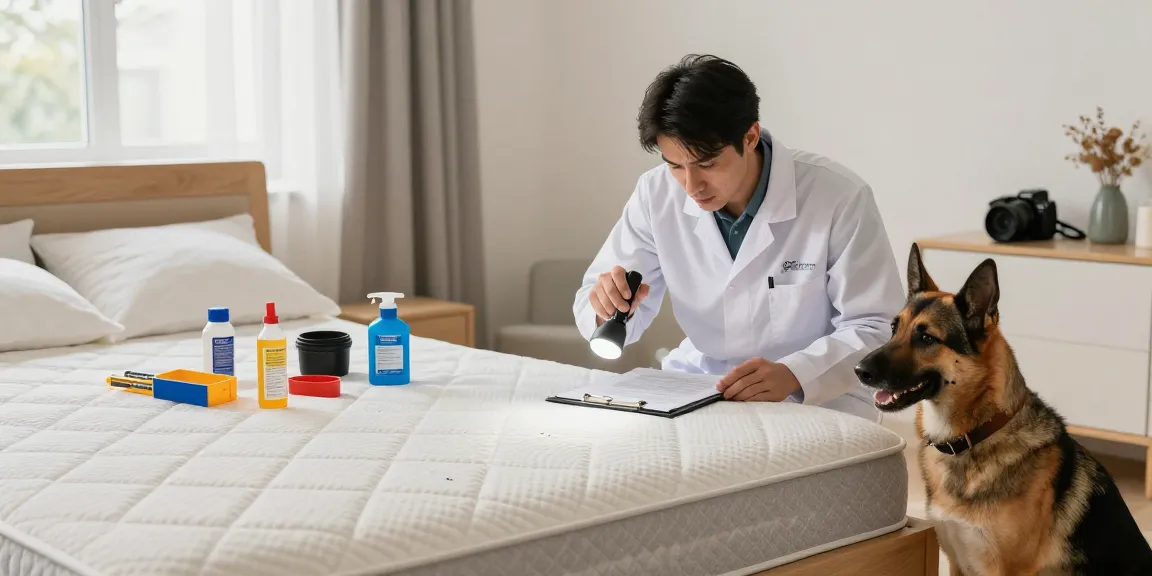
Professional exterminators possess the knowledge and experience necessary to effectively eliminate bed bugs. Their services ensure a thorough inspection of your space, utilizing advanced techniques and equipment to address infestations at their source. Additionally, they can advise you on preventative measures to reduce the risk of future infestations.
DIY Treatments: What Works and What Doesn’t
While some homeowners attempt to tackle bed bug issues using DIY methods, many of these approaches can be ineffective. Common DIY solutions may include using essential oils, vacuuming, or applying over-the-counter pesticides. However, these methods often fail to completely eliminate established infestations and may inadvertently spread the bugs elsewhere.
Choosing the Right Bed Bug Exterminators
How to Identify Reputable Pest Control Services
Choosing the right exterminator is vital for successful bed bug removal. Look for companies with proven track records, extensive experience, and positive customer reviews. Check if they have licenses, certifications, and liability insurance. Additionally, assessing their approach to treatments and follow-up procedures can help you make an informed decision.
Questions to Ask Before Hiring Exterminators
Before hiring an exterminator, consider asking the following questions:
- What methods do you use for treating bed bugs?
- What steps will be taken before, during, and after treatment?
- How long can I expect the treatment to last?
- Do you provide warranties or follow-up inspections?
- What should I do to prepare for the treatment?
Reading Reviews: What to Look For
When reviewing pest control companies, focus on customer feedback that highlights their effectiveness and customer service. Look for reviews that mention the thoroughness of the inspections, the professionalism of the technicians, and the success rates of treatments. High ratings and positive testimonials are indicators of a reliable extermination service.
Preparing for Extermination
Steps to Take Before Your Exterminator Arrives
Proper preparation can enhance the effectiveness of bed bug treatments. Here are some steps to take:
- Clear clutter and personal items from the treatment area.
- Wash and dry all bedding and clothes at high temperatures.
- Vacuum the infested areas and dispose of the vacuum bag immediately.
- Inform your exterminator about any previous treatments or signs of bed bugs.
What to Expect During the Treatment Process
During the extermination process, you can expect the exterminator to conduct a thorough inspection, apply the chosen treatment method, and provide you with guidance on post-treatment care. They will often use professional-grade products that are safe for you and your pets.
How to Minimize Disruption During Extermination
To minimize disruptions during the extermination process, plan to vacate the premises during treatment, especially if a heat treatment or extensive chemical application is being used. Communicating with your exterminator about your schedule can ensure a smooth process that causes the least amount of inconvenience.
Post-Treatment Care and Prevention
Signs of a Successful Extermination
After treatment, you should monitor your space for signs of bed bugs. Successful extermination typically includes a lack of bites, no visible bugs, and no new fecal stains. If you spot any new activity, contact your exterminator immediately for extensive re-treatment.
Ongoing Monitoring and Maintenance Tips
Routine inspections of your living space can help catch any potential infestations early. Consider using mattress encasements, regularly washing bedding, and being cautious with second-hand furniture. Keeping an eye on travel habits can also reduce the likelihood of bringing bed bugs home.
How to Prevent Future Infestations
Preventing future infestations involves a combination of proactive measures, including sealing cracks where bed bugs may enter, being mindful of where you place bags and belongings in public areas, and promptly addressing any signs of bed bugs immediately. Regularly educating yourself about the habits of bed bugs can also be a useful preventive measure.
Frequently Asked Questions About Bed Bug Exterminators
Is an exterminator worth it for bed bugs?
Absolutely. Professional pest control can save you time, money, and stress in the long run by effectively eliminating bed bugs and preventing costly replacements of infested furniture.
What 100% kills bed bugs?
Heat treatment is widely considered the most effective way to kill bed bugs and their eggs in one session. When done professionally, it ensures that all life stages are eradicated.
How long does bed bug treatment take?
The duration of bed bug treatment can vary based on the method used and the severity of the infestation, but it typically takes a few hours for heat treatments. Follow-up inspections and treatments may be necessary in the following weeks.
Can you stay in your home during treatment?
Generally, it’s best to vacate your home during heat treatments or when extensive chemical applications are being used. Your exterminator will provide specific instructions based on their treatment plan.
What do exterminators do for bed bugs?
Exterminators inspect your home, identify the extent of the infestation, recommend a treatment plan, and carry out the extermination process. They may also provide education on prevention and maintenance post-treatment.