Effective Techniques to Remove Spray Foam Insulation Safely
Understanding Spray Foam Insulation
What is Spray Foam Insulation?
Spray foam insulation is a robust insulation material that converts from a liquid form to a solid when sprayed through a nozzle. Composed of two primary components—polyol resin and isocyanate—this insulation is favored for its excellent thermal resistance and air-sealing properties. It expands upon application, filling gaps and voids, reducing energy bills, and improving indoor air quality by minimizing air leaks and moisture infiltration.
Benefits and Drawbacks
While spray foam insulation offers a myriad of benefits, it’s essential to weigh these against potential drawbacks. One significant advantage is its energy efficiency; it can create an airtight seal, which drastically reduces heating and cooling costs. Additionally, spray foam insulation is resistant to moisture, mold, and pests, which contributes to its longevity. However, drawbacks include the higher initial cost compared to traditional insulation materials, potential off-gassing, and the difficulty of removal. Understanding these factors is crucial for homeowners to make informed decisions.
Identifying When Removal is Necessary
Knowing when to remove spray foam insulation is critical for maintaining the integrity of your living space. Signs that suggest removal may be necessary include discoloration, damage from water intrusion, or noticeable odors indicating mold or deterioration. If the insulation was improperly installed, it could lead to persistent air leaks and reduced energy efficiency, prompting the need for its removal.
Preparing for the Removal Process
Essential Tools and Equipment Needed
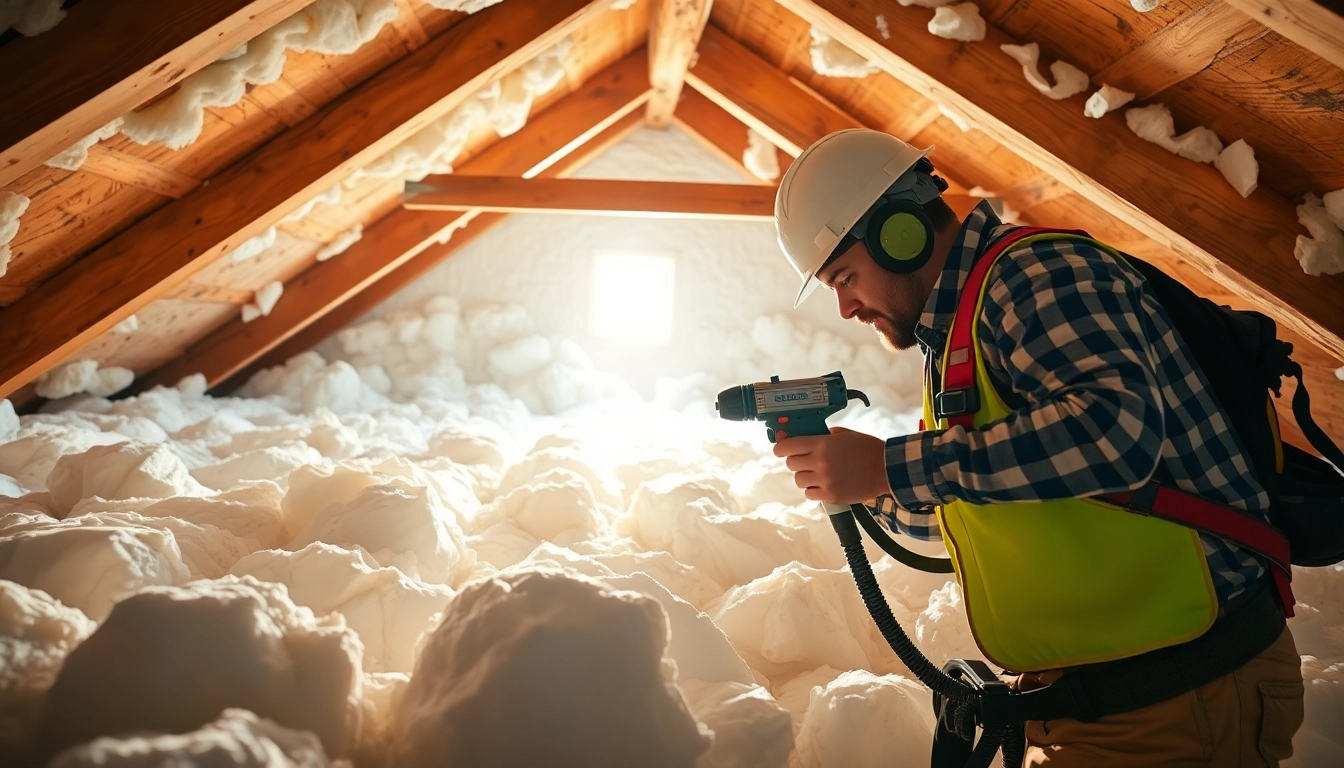
Before embarking on the removal process, it’s crucial to gather all the essential tools and equipment to ensure safety and effectiveness. Key tools include a utility knife for cutting away the foam, a heat gun to soften it for easier removal, and safety gear including gloves, goggles, and a respirator mask to protect against inhalation of dust and debris. Additionally, shop vacuums can be beneficial for cleanup, while containment materials like plastic sheeting can help prevent the spread of debris.
Safety Precautions to Take
Safety should be paramount during the removal of spray foam insulation. Since spray foam can release harmful fumes, ensure adequate ventilation in the workspace. It’s advisable to wear appropriate personal protective equipment (PPE) including gloves, long sleeves, safety goggles, and an N95 respirator mask. Working in a well-lit area can also help avoid accidents, and it’s crucial to have a first aid kit on hand in case of any unexpected injuries.
Assessing the Area for Hazards
Before beginning the removal process, conduct a thorough assessment of the area for any potential hazards. Look for electrical wiring, plumbing, or structural components that could be affected during the removal. Ensure that all utilities are shut off, and consider hiring a professional if the insulation is located close to these systems. Identifying hazards early can help prevent accidents and ensure a safer work environment.
Step-by-Step Guide to Remove Spray Foam Insulation
Initial Removal Techniques
Start by using a utility knife to cut away the edges of the spray foam insulation. Carefully score through the foam and pry it away from surfaces, working in small sections to maintain control. This method is effective for thinner applications of foam. For thicker layers, a heat gun can be applied to soften the foam, making it easier to peel away. Always ensure that the heat gun is used at a safe distance to prevent damage to surrounding materials.
Advanced Removal Methods
When dealing with stubborn or extensive spray foam insulation, advanced techniques may be required. Using an oscillating multi-tool equipped with a scraper blade can make the job easier and faster. This tool allows for precision and is effective at removing foam from hard-to-reach spots. For large areas, hiring a professional may be the best option; they use industrial-grade tools and have extensive experience, reducing the likelihood of damage to existing structures.
Cleaning Up Residual Foam
After the bulk of the foam has been removed, focus on cleaning up residual materials. Use a shop vacuum to collect smaller pieces and debris, ensuring the area is as clean as possible. For stubborn residues, a solvent designed for foam insulation can be applied, following instructions carefully to ensure safe use. Pay special attention to corners and joints where residue may linger, as this can impact future insulation applications.
Post-Removal Considerations
Inspecting for Damage
Once the spray foam insulation has been removed, it’s crucial to inspect the underlying surfaces for any signs of damage. Look for moisture-related problems, structural integrity issues, and deterioration of walls, ceilings, and floors. Addressing these issues promptly can help prevent costly repairs and ensure the space is safe and healthy for occupants. If significant damage is found, consider consulting a professional contractor for repairs before proceeding with new insulation.
Insulating Alternatives and Upgrades
After removal, homeowners often seek alternatives or upgrades to spray foam insulation. Options include fiberglass batts, cellulose, or mineral wool, each of which has various levels of energy efficiency and ease of installation. When choosing insulation, consider factors such as R-value, environmental impact, and long-term costs. Consulting with a professional can also provide insights tailored to specific local needs and building codes.
Disposing of Spray Foam Insulation Properly
Proper disposal of spray foam insulation is essential to mitigate environmental impact. Many communities have specific regulations regarding construction waste, so check local guidelines for disposing of construction materials. In general, spray foam can’t be placed in regular household trash due to its chemical composition. Consider taking it to a specialized disposal facility or a recycling center that handles construction debris to ensure compliance and environmental responsibility.
FAQs about Removing Spray Foam Insulation
1. How can I tell if my spray foam insulation needs to be removed?
If you notice degradation, odor, or water damage, it may need removal.
2. Can I remove spray foam insulation myself?
Yes, but it requires proper tools and safety precautions for a safe removal.
3. What tools do I need to remove spray foam insulation?
A utility knife, heat gun, and safety gear are essential for effective removal.
4. Is it safe to stay in the house during removal?
It’s advisable to vacate the area to avoid inhaling fumes or dust.
5. How do I clean up after removing spray foam insulation?
Ensure thorough cleaning or hire a professional to avoid residual chemical exposure.